Short answer: On 20 October 2026 the UK's Competition and Markets Authority (CMA) proposed rules that would make Apple open the iPhone's contactless (NFC) payment technology to other companies in two ways instead of one, and on fees the regulator expects to be "substantially lower" than Apple charges today. It is a consultation, not a final decision. Nothing changes on your iPhone yet, and NFC tags, tap-to-share business cards and Shortcuts automations are not affected at all. The consultation closes on 17 November 2026.
Headlines about this have mixed up several different things that all get called "NFC". This guide separates them, explains what the CMA actually proposed, and sets out what it could mean for iPhone owners, small businesses and app makers in the UK, and why readers in India and the US will see no change from it.
Three different things called "iPhone NFC"
The NFC chip in an iPhone does more than one job, and Apple controls each one differently:
- Reading and writing tags. Any app can read NFC tags through Apple's Core NFC framework, which arrived with iOS 11, and apps can also write data to writable tags. Recent iPhones read common tags in the background without opening an app. This is what powers NFC business cards, Google review stands and tag-triggered Shortcuts. It is already open, and the CMA proposal is not about it.
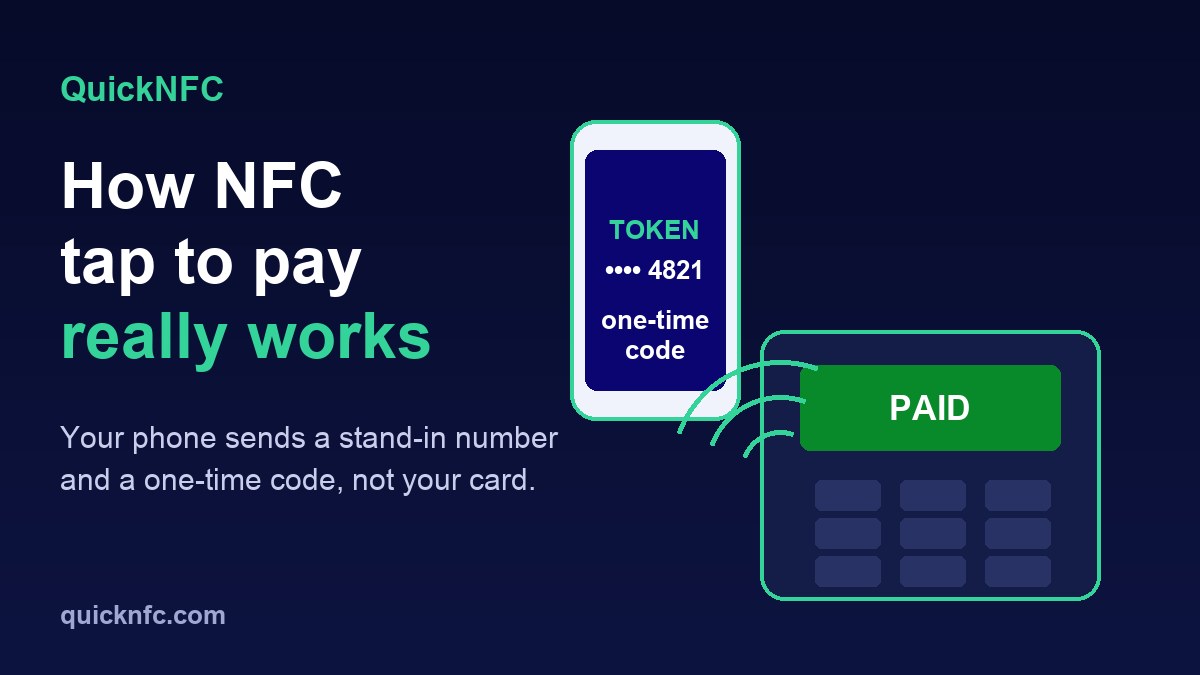
- Acting like a card (card emulation). This is the phone pretending to be a bank card, transit card, hotel key or office badge when you hold it to a reader. Apple restricts who can do this and on what terms. This is what the CMA wants to open up.
- Apple Pay and Apple Wallet. Apple's own wallet, which uses card emulation. It stays as it is. The question is whether rivals get a fair way to offer their own.
If you want the basics of how the radio link itself works, our explainer on what NFC is and how it works covers it, and our iPhone vs Android NFC guide compares the two platforms for everyday tag use.
What the CMA proposed on 20 October
The CMA earlier designated Apple as having "Strategic Market Status" for its mobile platform under the Digital Markets, Competition and Consumers Act 2024. That status lets the regulator impose conduct requirements, and this NFC proposal is one of them. It targets two barriers:
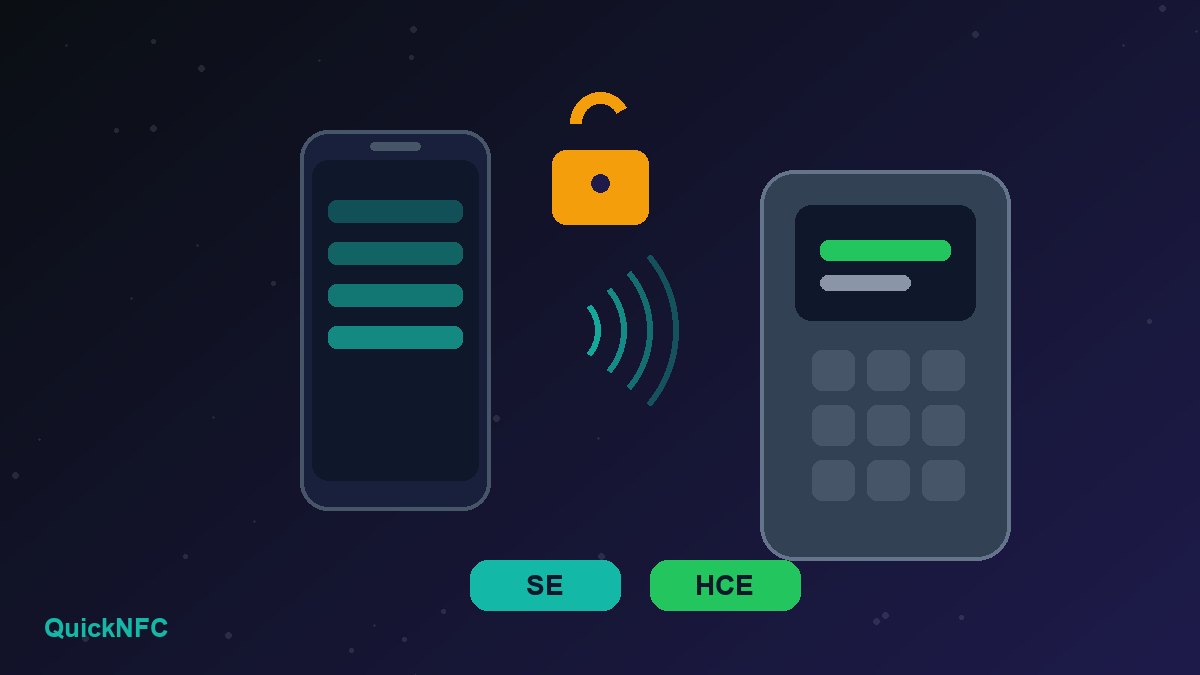
- A choice of technology. Apple would have to give businesses access through both of the main contactless standards used internationally: secure element (SE) and host card emulation (HCE). The CMA says Apple currently offers only SE in the UK.
- Commercially viable terms. The CMA is not proposing a price. It proposes principles for how fees should be set, and says it expects the result to be substantially lower than Apple's current fees while still paying Apple fairly for access.
The regulator's case rests partly on what happened in Europe. In the EU, it notes, Vipps launched the first alternative payment app just six months after Apple agreed to provide NFC access for payments, followed by PayPal, Klarna, Curve and BBVA. In the UK, "not a single firm has launched a wallet-type product to compete with Apple's".
The CMA also points to how ordinary contactless has become. Citing UK Finance, it says contactless payments by card or phone rose to 19.2 billion in 2025, 39% of all UK payments, up from 3% a decade ago. Citing Which?, it says 62% of UK adults use a digital wallet and 50% use Apple Wallet.
SE vs HCE in plain English
This is the technical heart of the dispute, so it is worth thirty seconds:
- Secure element (SE): the card credentials sit inside a dedicated security chip on the phone. Apple's current platform for third-party apps outside Europe, called the NFC & SE Platform, works this way.
- Host card emulation (HCE): the app answers the payment terminal itself, and the sensitive data is stored off the device, typically with the bank or wallet provider's servers. The CMA describes HCE as storing data "off-device". Android has long used this approach, and many banking and wallet apps are built around it.
Why it matters: a company that already runs an HCE wallet on Android or in the EU could bring it to UK iPhones with far less rework if HCE were available. The CMA says the evidence it has seen suggests neither technology raises inherent security concerns. Apple disagrees. In a statement given to Engadget, it said it does "not believe the CMA should require Apple to adopt an approach with lower privacy and security protections", and pointed out that UK developers can already build contactless features through the NFC & SE Platform.
What Apple already allows today
Apple has not kept NFC entirely closed. It now runs two schemes for third-party card emulation:
- In the European Economic Area: since iOS 17.4, approved apps can use HCE for in-store payments, transit, car and home keys, hotel keys, badges, membership and event tickets. Developers need an HCE entitlement and must be established in the EEA. Apple's 2024 commitments to the European Commission cover this access.
- In the UK, US and a long list of other countries: since iOS 18.1, the NFC & SE Platform lets authorised developers add contactless cards to their own apps for payments, keys, transit, student and corporate IDs, loyalty and event tickets. Apple's eligibility list also includes India and several Gulf states. Developers must sign an agreement with Apple, request an entitlement and meet its security requirements. It is SE only.
Both schemes already include the features that make a rival wallet usable: you can choose a default contactless app, it can open automatically when you hold the phone near a terminal ("field detect"), and a double-click of the side button can launch it. So the UK dispute is less about whether rivals can exist at all and more about which technology they must use and what it costs them.
What could change for you
If you use an iPhone in the UK
Today, nothing. If the proposal goes ahead and companies take it up, you may eventually see more apps offering to become your default for tap-to-pay, such as bank apps paying straight from your account, as well as transit passes, hotel and car keys and digital IDs. The CMA lists these use cases, plus loyalty and rewards. You would pick the default in Settings, as EU users can now. Apple Pay would still be available.
If you run a small business
Your card terminal does not need to change. Phones present themselves as contactless cards, and the terminal does not care which wallet app is behind it. Your NFC review stands, menu tags and tap-to-visit marketing tags keep working exactly as before, because tag reading was never part of this. The interesting long-term angle is loyalty: cheaper access could make app-based loyalty cards that work with a tap more common for independent shops, not only big chains.
If you build apps or fintech products
Watch the consultation documents on the CMA's Apple mobile platform case page, and respond before 17 November if you have evidence on fees or technical barriers. Do not plan a UK launch around HCE until a final decision is published and Apple says how it will comply. Even after that, entitlements and security reviews will take time.
If you are in India, the US or elsewhere
This is a UK rule and would apply to the UK market. Your iPhone keeps the same NFC features, and your NFC tag automations in Shortcuts are unaffected. Developers in eligible countries already use the NFC & SE Platform on Apple's terms.
What happens next
- 20 October 2026: the CMA publishes its proposals and opens a consultation.
- 17 November 2026: the consultation closes.
- After that: the CMA assesses the responses and makes a final decision. It has not given a date, and Apple has said it will keep engaging with the regulator. Any requirement would then need Apple to change its developer terms and iOS, so practical effects on phones are further away than the headlines suggest.
FAQ
Does this mean iPhones will stop using Apple Pay in the UK?
No. The proposal is about letting other companies compete alongside Apple Pay, not about removing it.
Will my NFC tags or NFC business card work differently?
No. Reading and writing tags uses Core NFC, which is already open to apps. The proposal covers card emulation, the phone acting like a payment card or key.
Is HCE less secure than Apple's secure element?
The two sides disagree. The CMA says the evidence it has seen suggests neither standard raises inherent security concerns, and both are widely used across mobile platforms. Apple argues HCE would mean lower privacy and security protections. In practice, security depends heavily on how each provider builds and runs its service.
Can UK users already set a non-Apple app as their contactless default?
Apple's NFC & SE Platform supports choosing a default contactless app in eligible countries, including the UK, but the CMA says no wallet-type rival has launched there. Whether one appears depends on the final terms.
Sources
- GOV.UK / CMA: CMA outlines proposals on contactless technology on Apple iPhone (20 October 2026)
- CMA case page: Apple's mobile platform
- Engadget: UK antitrust regulator wants Apple to open up iPhone NFC access, with Apple's statement (20 October 2026)
- Apple Developer: NFC & SE Platform for secure contactless transactions
- Apple Developer: HCE-based contactless NFC transactions for apps in the EEA
- Apple Developer: Core NFC framework

QuickNFC Editorial DeskQuickNFC publishes practical, plain-English NFC guides. Spotted an error or something out of date? Tell us.